


Psilocybin therapy in 2026: From Breakthrough to Medicine
Psilocybin in 2026: Evidence-Based Medicine & Research Update
Psilocybin research in 2026 shows major advances in clinical trials, neuroscience, and regulation. Here’s what’s changing and what it means for microdosing.
For more than a decade, psilocybin has been one of the most closely studied compounds in psychiatric research.
Early clinical trials consistently showed promising results, especially for treatment-resistant depression. However, researchers repeatedly emphasized the same limitation:
The evidence was still early-stage.
Larger trials were needed. Better controls were needed. Longer follow-ups were needed.
2026 marked a shift in that balance.
Across clinical research, neuroscience, and regulatory systems, psilocybin moved closer to being understood not just as a promising compound but as a potential evidence-based therapeutic tool in specific medical settings.
While approval is not yet universal, the scientific conversation has changed in a meaningful way.
Researchers are no longer asking if psilocybin has effects. They are now asking:
- How does it work?
- Who benefits most?
- How should it be used safely?
What Changed in 2026
Several major developments converged this year, reshaping the field.
1. Large Clinical Trials Reached Key Milestones
One of the most significant developments came from Compass Pathways, whose COMP360 psilocybin therapy progressed through Phase 3 clinical trials for treatment-resistant depression.
- The first trial met its primary endpoint in 2025
- A second Phase 3 trial reported positive results in 2026
Two successful Phase 3 trials represent one of the strongest evidence thresholds in modern medicine.
👉 Learn more about safe exploration of this space: Explore Microdosing Guide
2. Evidence Reviews Strengthened Confidence
Updated systematic reviews and meta-analyses combining multiple randomized controlled trials found:
- Statistically significant reductions in depressive symptoms
- Strongest effects in treatment-resistant populations
- Promising but still evolving clinical protocols
However, researchers also highlight challenges:
- Small sample sizes
- Differences in therapeutic approaches
- Difficulty maintaining double-blind conditions
These are normal challenges in emerging medical fields, not signs of failure.
3. Regulatory Systems Began Accelerating
In 2026, regulatory attention toward psychedelic-assisted therapy increased globally.
New initiatives aimed to:
- Speed up review timelines for novel therapies
- Prioritize treatments for serious mental health conditions
- Improve regulatory efficiency for high-impact medicines
This reflects growing institutional interest in psychedelic medicine as a legitimate therapeutic category.
What Neuroscience Is Now Showing
One of the most important shifts is happening at the biological level.
Research suggests psilocybin’s metabolite, psilocin, may influence:
- Neuroplasticity (brain adaptability)
- Synaptic connectivity (new neural connections)
- Communication between brain networks
This has led to a major shift in understanding:
Instead of only producing a psychological experience, psilocybin may temporarily increase the brain’s ability to reorganize and form new patterns of thought.
Related reading: How Psilocybin Works
Can Effects Exist Without the Psychedelic Experience?
A key emerging question:
Is the subjective psychedelic experience necessary for therapeutic benefit?
Early preclinical findings suggest some neuroplastic effects may occur independently of hallucinations.
If confirmed in human studies, this could significantly reshape future drug development in psychiatry.
Clinical Therapy vs. Microdosing
It is essential to distinguish between two very different approaches.
| Clinical Psilocybin Therapy | Microdosing |
|---|---|
| High therapeutic dose | Sub-perceptual dose |
| Medical supervision | Self-directed routine |
| Structured psychotherapy | Wellness-focused practice |
| Clinical conditions | Emerging research area |
Clinical research focuses on diagnosed medical conditions under supervision. Microdosing involves very small, non-intense doses used as part of a personal wellness routine.
Learn more: What Is Microdosing
Where Microdosing Research Stands
While clinical psilocybin therapy is supported by large trials, microdosing research remains early-stage.
Preliminary studies suggest possible associations with:
- Mood support
- Focus and cognitive flexibility
- Creativity and productivity
However, the current evidence base is limited, evolving, and not yet conclusive.
What Scientists Still Don’t Know
Despite major progress, important questions remain:
- How long do benefits last?
- Which individuals respond best?
- What is the optimal dosing framework?
- What role does psychotherapy play?
- How consistent are outcomes across populations?
These questions are central to the next phase of research.
Why This Matters for Canada
While much of the regulatory movement is happening in the United States, Canada continues to closely follow developments in psychedelic science and medicine.
Research programs are expanding, and policy discussions around controlled therapeutic access are ongoing.
As global evidence grows, Canadian frameworks are likely to evolve in parallel.
Where MicroDays Fits In
At MicroDays, our focus is simple:
Education first. Experience second.
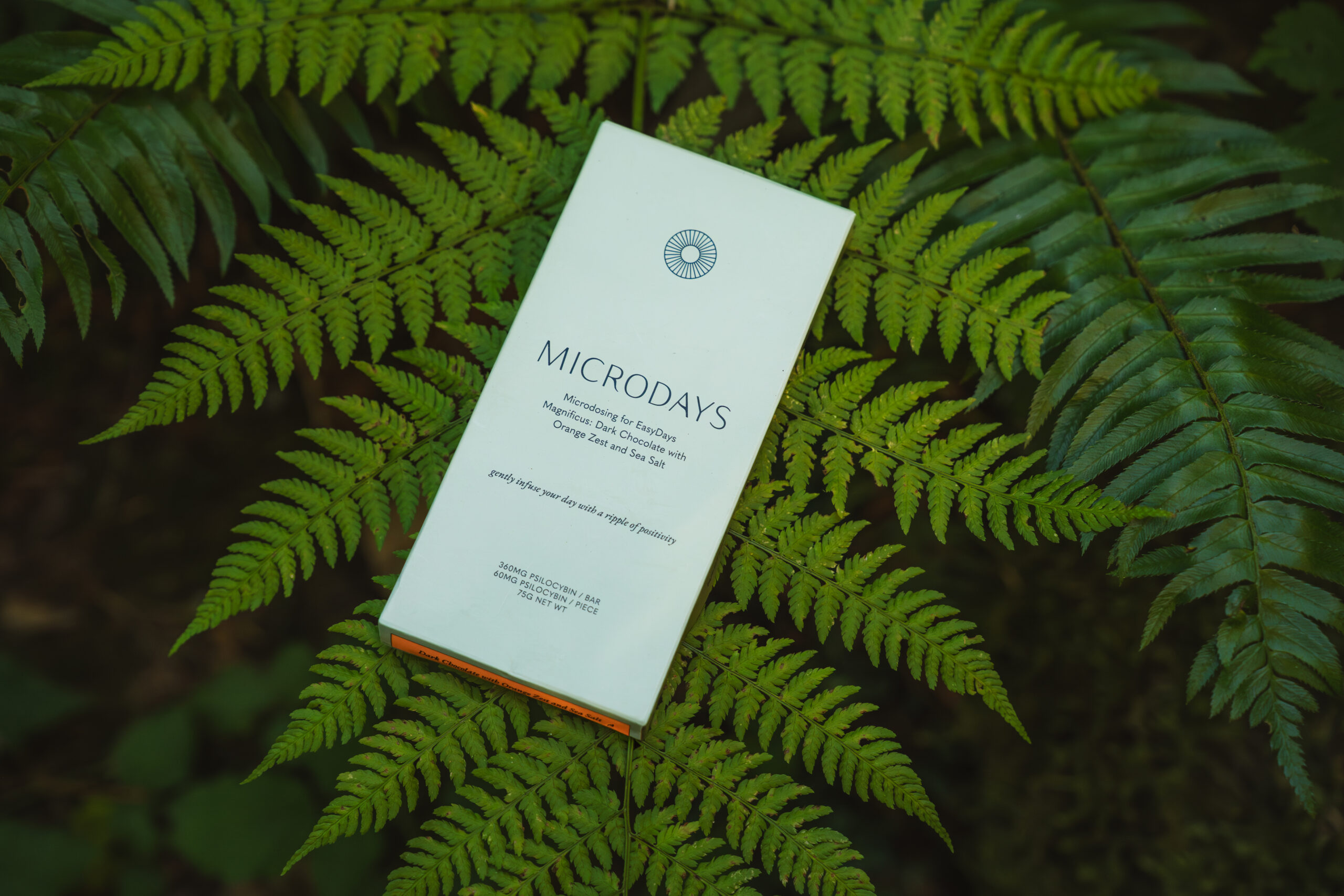
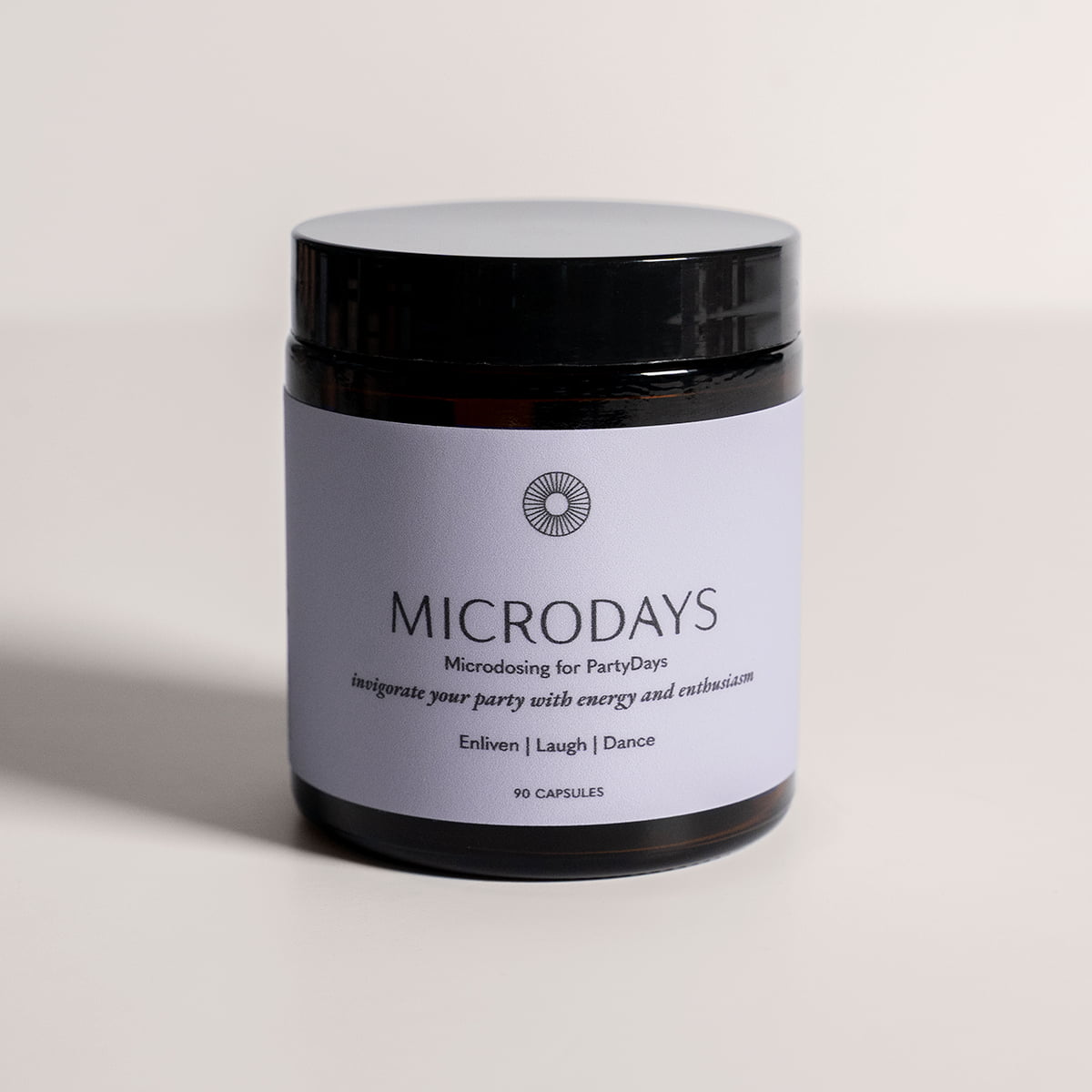
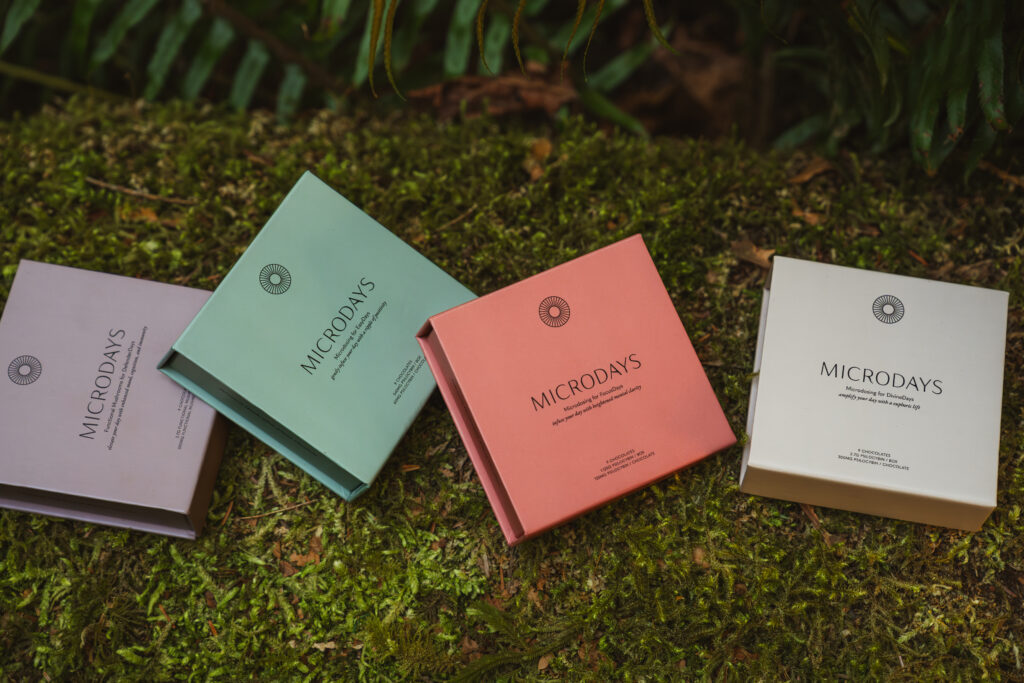
We create small-batch mushroom products using organically grown ingredients from British Columbia, designed for thoughtful exploration of functional mushrooms and microdosing.
Learn more about our approach: About Our Mushrooms
We also offer a range of functional mushrooms including:
The Bottom Line
For years, psilocybin research was defined by one word: Promising.
In 2026, that definition is evolving.
- The evidence base is stronger.
- Clinical trials are more robust.
- Neuroscience is more detailed.
- Regulatory systems are more engaged.
At the same time, important questions remain unanswered. This balance is exactly what defines a field moving toward evidence-based medicine.
Psilocybin is no longer just a topic of curiosity. It is now a subject of structured scientific validation.
And that shift may be the most important development of all.
Continue Exploring
Disclaimer: This article is for educational purposes only and does not constitute medical advice. Psilocybin remains regulated in Canada. Always consult a qualified healthcare professional before making health-related decisions.
These statements have not been evaluated by Health Canada. Products are not intended to diagnose, treat, cure, or prevent any disease.
Keep reading: What Is Microdosing? The Complete Beginner’s Guide · About our mushrooms · Shop MicroDays